
Residential Housing
More Than a Shelter
A Home Built Around Her
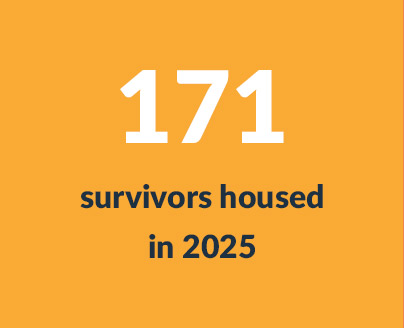
FAIR Girls’ residential housing provides a safe, empowering transitional home in Washington, D.C. exclusively for female-identifying survivors of human trafficking or commercial sexual exploitation aged 18 to 26. Each young woman can stay up to 180 days while we work with her to find longer-term housing.
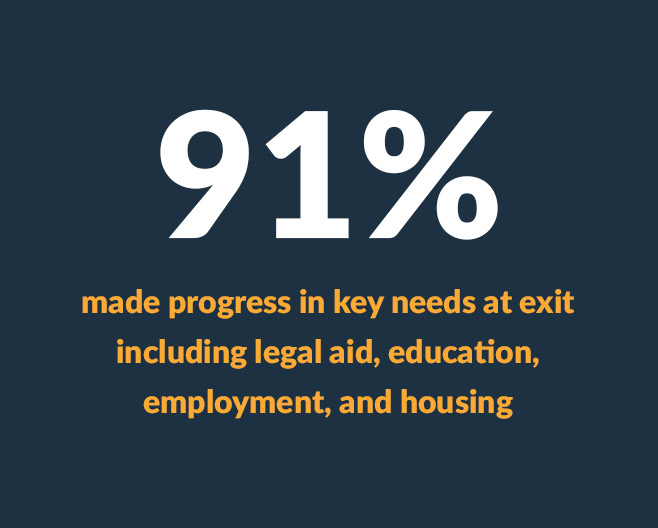
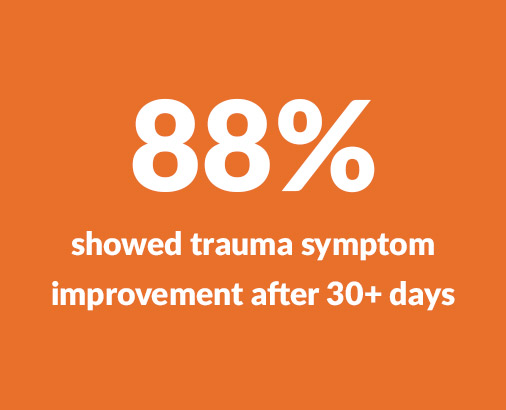
During her stay, she receives a warm bed, meals, counseling, survivor support groups, workforce development programming, and safe transportation to work, school, and our Drop-In Center. Each survivor has a personal case manager who works daily with her to ensure she meets her goals and stays safe.

Need help? We are here for you, 24/7.
Call our Crisis Response Line at
1-855-900-3247.
Why It Has to Be More Than a Shelter
Survivors recovered by law enforcement are often held in detention because no safe housing is immediately available. That process deepens the trauma they have already survived and makes lasting recovery far less likely.
That is why specialized housing changes outcomes. FAIR Girls’ law enforcement partners say they intervene more confidently knowing survivors have a safe place to land and the results show it. Survivors at FAIR Girls residential housing are 58% more likely to exit exploitation and remain free from their trafficker compared to those placed in non-specialized housing. When a survivor has somewhere safe and healing to go, everything changes.
Every survivor in our care is surrounded by people who believe in her healing long before she does. A personal case manager. A community she can trust. Because healing doesn’t happen in a night. It begins with a safe environment, access to the care she deserves, and people committed to helping her break cycles of exploitation for good.
Survivor Stories
Chelsea is a 20 year old D.C. native whose trafficking began at 14 when she was introduced to a pimp by her cousin. Chelsea thought they were falling in love, but after gaining her trust, her trafficker began selling her in hotels across the D.C. area using online advertising sites and the streets. At 16, Chelsea was arrested for solicitation and sentenced to 2 years in a juvenile facility. At 18, she obtained her GED but could not find a job. Her trafficker found her and soon she was being sold again.
At 20, Chelsea finally called 911 and the police called FAIR Girls. After spending three months in FAIR Girls’ Vida Home, Chelsea now is an assistant teacher aid at a local high school and planning to go to college. Her dream is to become a teacher and have a family.
Maria is a 19 year old Guatemalan American young woman whose family trafficked her into forced labor. Like many unaccompanied minors in America, Maria did not speak English and did not know her rights to an education or protection by the police. She suffered in silence while she worked 20 hour days in hotels and garment districts while being sexually abused by the gang who controlled her. Maria escaped her traffickers in Baltimore and was referred by Homeland Security after they learned of her situation.
Maria resided in the FAIR Girls Vida Home for three months while becoming enrolled in local GED and English classes. She has now obtained her legal status as a trafficking survivor and is working in the travel industry. She loves making jewelry, dancing salsa, and cooking. Her dream is to some day return to Guatemala and start a bed and breakfast on the beach.